
My advice: don’t think twice about getting on that airplane!
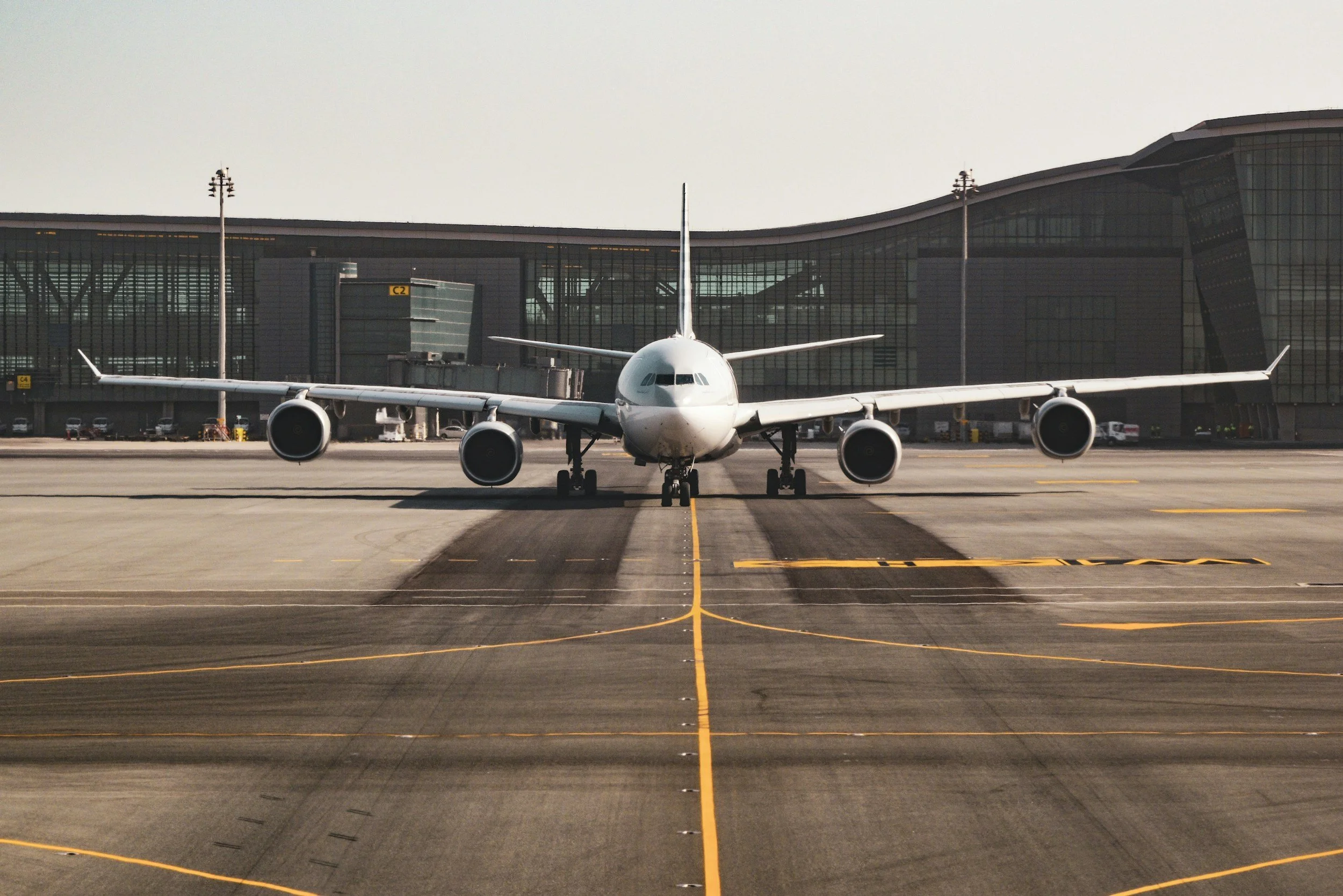
Starting with riding horses, transportation has always had an element of risk. Following the recent tragedy at LaGuardia, where two pilots lost their lives, I feel compelled to compelled to speak about safety.
In short, yes, I think it is incredibly safe to fly on any US airline. Here’s a few statistics.
Each year there are many general aviation, or small aircraft crashes that don’t make much news, but when it happens with the airlines, that’s different. An accident is front-page news for days or weeks.
Even though they were aviation-related, you can’t count the deaths on September 11, 2001, as an accident. A terrorist act is no accident.
Under Federal Aviation Regulations, Part 121, which covers large airplanes, the airlines in other words, one crash in the United States in twenty-four years have claimed exactly 3 lives.
In December 2001, American Flight 587, an A-300 Airbus, crashed on Long Island and killed all 260 people on board and 5 on the ground. From then until the mid-air collision over the Potomac River in January 2025, the safety record was exceptional.
In 2013, an Asiana Boeing 777 made a bad landing at San Francisco. That caused the three fatalities, but 304 people survived. It was not a U.S. carrier.
That’s pretty amazing compared to 1972, the worst year in aviation. I spent part of that year safely sitting in jail in Modesto, California. That’s when I wasn’t involved in gang wars with my motorcycle club. It’s all in my book, Hangmen.
In 1972, seventy-five airline accidents resulted in a world-wide death toll was 2,389! In one year! Do you think people got nervous about flying then?
We have happily accepted the new normal of zero deaths per year, and that’s the way it should be. But to be honest, life can be hazardous; travel of all kinds can be hazardous.
The average toll of lives on our highways varies from year to year. In 2022 it was 42,795 but dropped to 36,640 in 2025. One report says that from 1899 to 2023, just under four million lives have been lost on our highways. Compare that to the total combat deaths of 1.1 million Americans over 250 years since the Revolutionary War. So, you could say it’s four times more dangerous to drive your car than to go to war.
Yet few people have second thoughts about jumping in their cars. I still see people refusing to put on seat belts and riding motorcycles without helmets. I have to admit; until a few years ago, that was me with no helmet. Better Lucky Than Good, ya know.
There is the perception of risk, which I think is largely what is currently in the news. How many people would be more cautious about driving if every traffic death was front-page news every day?
In my latest book, On Wings of Luck, I tell the many reasons why commercial aviation is safer today than in the dark ages like 1972.
Once again, except for the 777 in San Francisco thirteen years ago, there have been no fatalities in ‘large’ airliners in the USA. Washington DC and LaGuardia, the airplanes were smaller regional commuter jets.
Coincidentally, the three crashes in the last year, including Toronto, where everyone survived, were almost the same aircraft. Two Canadair CRJ900s and a CRJ700. But none of these were the airplane’s fault. They were all human errors.
The new level of safety in the airlines is a good thing, as we all become more risk-averse. It seems people are starting to think we should even be able to wage war with no casualties. Wouldn’t that be nice! But it would be even nicer if we could put an end to wars altogether.
My advice: don’t think twice about getting on that airplane, but in the meantime, please be careful when you get in your car.
